
Should I Recycle My Scrap Metal?
Deciding how to manage leftover industrial or household materials requires a sophisticated look at sustainability and operational efficiency. Repurposing discarded materials contributes to a global effort to conserve natural resources and minimize the environmental impact of raw extraction. Professional scrap metal recycling remains a vital practice for maintaining a balanced ecosystem.
Learning About the Environmental Benefits
The primary motivation for many individuals and businesses to engage in scrap metal recycling is the significant reduction in ecological footprints. Extracting raw ore from the earth is an energy-intensive process that involves heavy machinery, habitat destruction, and high carbon emissions. By utilizing existing materials, the need for invasive mining decreases substantially, allowing natural landscapes to remain intact and undisturbed.
Beyond habitat preservation, the energy savings associated with processing secondary materials are staggering. For instance, melting down aluminum requires only a fraction of the energy needed to create it from bauxite ore. This efficiency helps lower the overall demand on power grids and reduces the greenhouse gas emissions associated with heavy manufacturing. The implementation of high-heat melting technology allows for a consistent output that rivals the quality of virgin materials. Every ton of material redirected from a landfill represents a win for the atmosphere.
Finally, keeping metallic waste out of landfills prevents soil and groundwater contamination. Many metal objects contain coatings or trace elements that can leach into the environment over time if left to oxidize in the open. Systematic scrap metal recycling provides a controlled environment where these materials are handled safely. This proactive approach protects local ecosystems and keeps the surrounding community cleaner for future generations to enjoy.
Recognizing the Economic Impact
The economic engine fueled by the processing of discarded iron, steel, and copper is a cornerstone of modern industry. When materials are fed back into the supply chain, they create a steady stream of resources for construction, automotive manufacturing, and technology sectors. This circular flow helps stabilize the costs of raw goods, which ultimately benefits the broader economy and keeps production lines moving across the globe.
Local communities also see a direct benefit from the presence of professional processing facilities. These centers provide consistent employment opportunities ranging from logistical coordination to high-tech sorting operations. Because the demand for metallic resources is global and constant, the industry provides a level of economic resilience that few other sectors can match. It turns what would be literal trash into a valuable industrial commodity. Consistent material flow supports the infrastructure needed for logistical growth and municipal development projects.
Approximately 70% of the lead used in the United States in 2025 came from recycled materials, according to the U.S. Geological Survey. This statistic highlights how certain sectors have already achieved high levels of integration within the industrial cycle. When more people participate in scrap metal recycling, other materials like nickel and cobalt can reach similar levels of recovery. This high efficiency demonstrates that the infrastructure is ready to handle a diverse range of materials effectively.
Evaluating the Industrial Process
When you deliver your items to a professional facility, the process begins with precise sorting and categorization. Advanced technology, such as magnets, X-ray sensors, and eddy current separators, is used to distinguish between ferrous and non-ferrous materials. This level of precision is necessary because even minor contamination can weaken the integrity of the final product. Professional handling guarantees that the material meets strict quality standards.
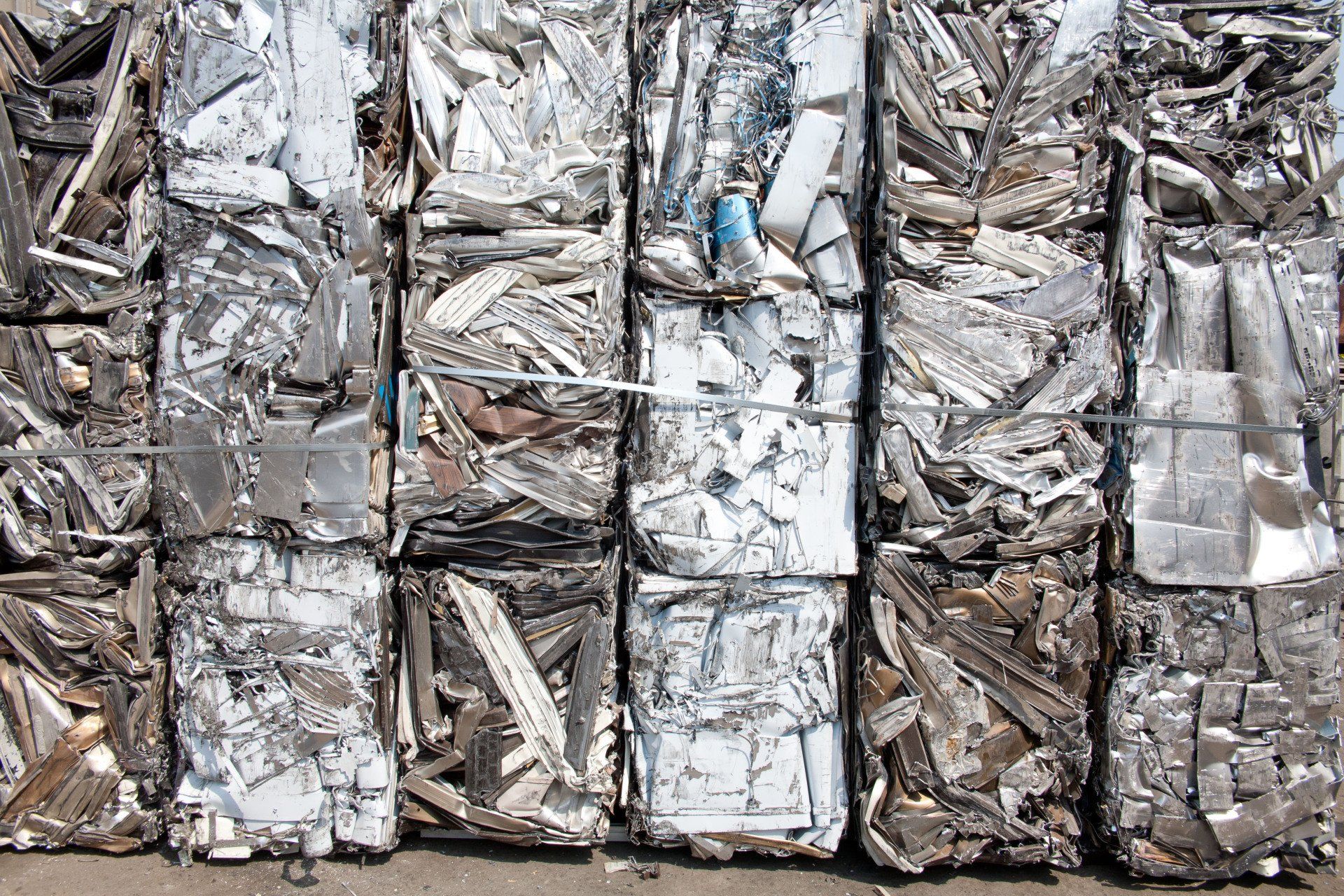
Once sorted, the metals undergo shredding to increase the surface area and make the melting process more efficient. These smaller pieces are then placed into large furnaces specifically calibrated for different melting points. The molten metal is purified using various methods to remove any remaining impurities or non-metallic residues. Modern furnaces use sophisticated filtration systems to capture any byproduct particles before they reach the external environment. This transformation allows the material to retain its original physical properties, making it indistinguishable from newly mined ore.
The final stage involves cooling the purified metal into specific shapes like ingots, sheets, or bars. These formats are easy to transport and ready for immediate use in various manufacturing plants. This seamless transition from waste to raw material is the hallmark of a successful scrap metal recycling operation. It provides a reliable source of high-quality feedstock for the pipes, beams, and wires that build our modern world.
Identifying Recyclable Material Types
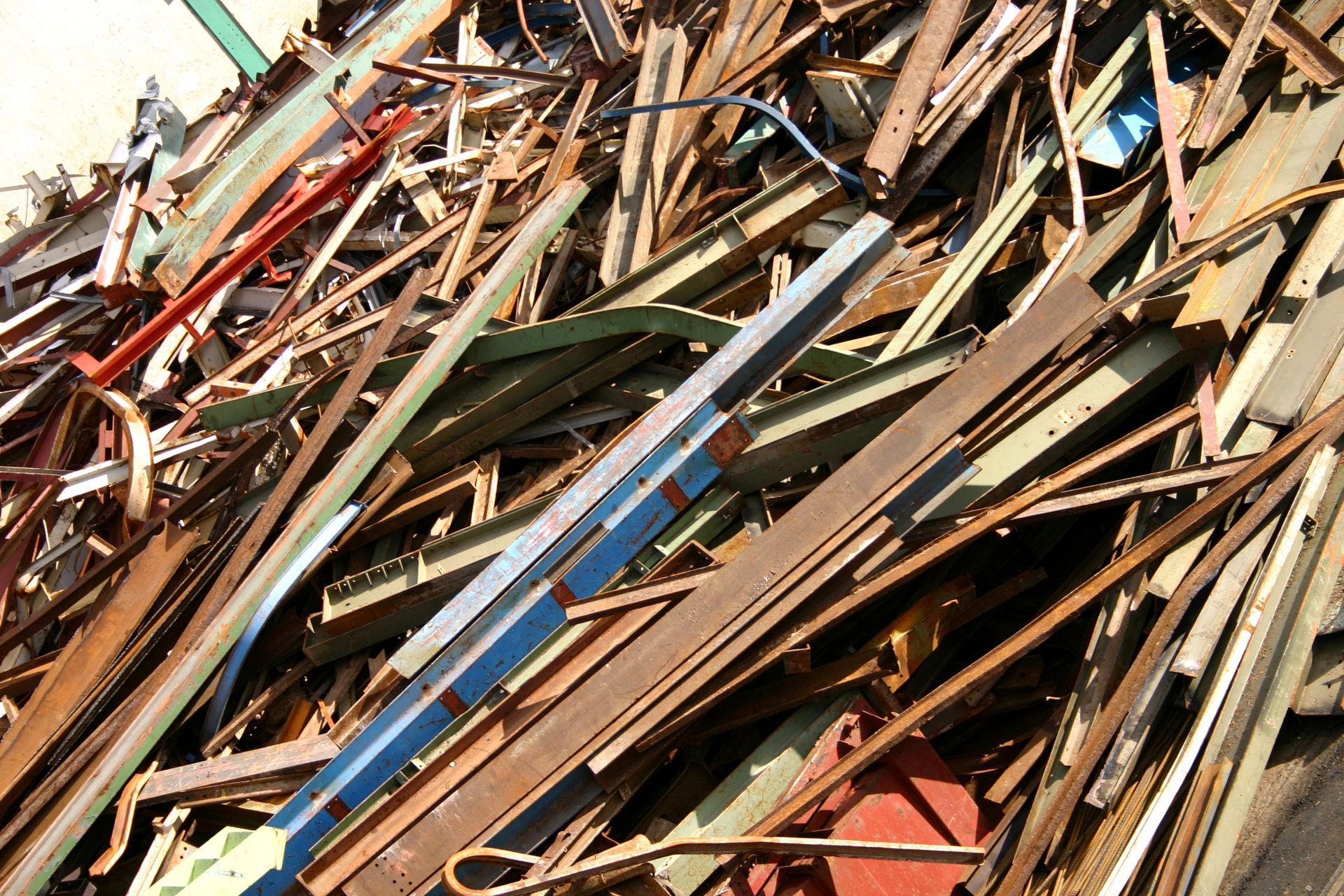
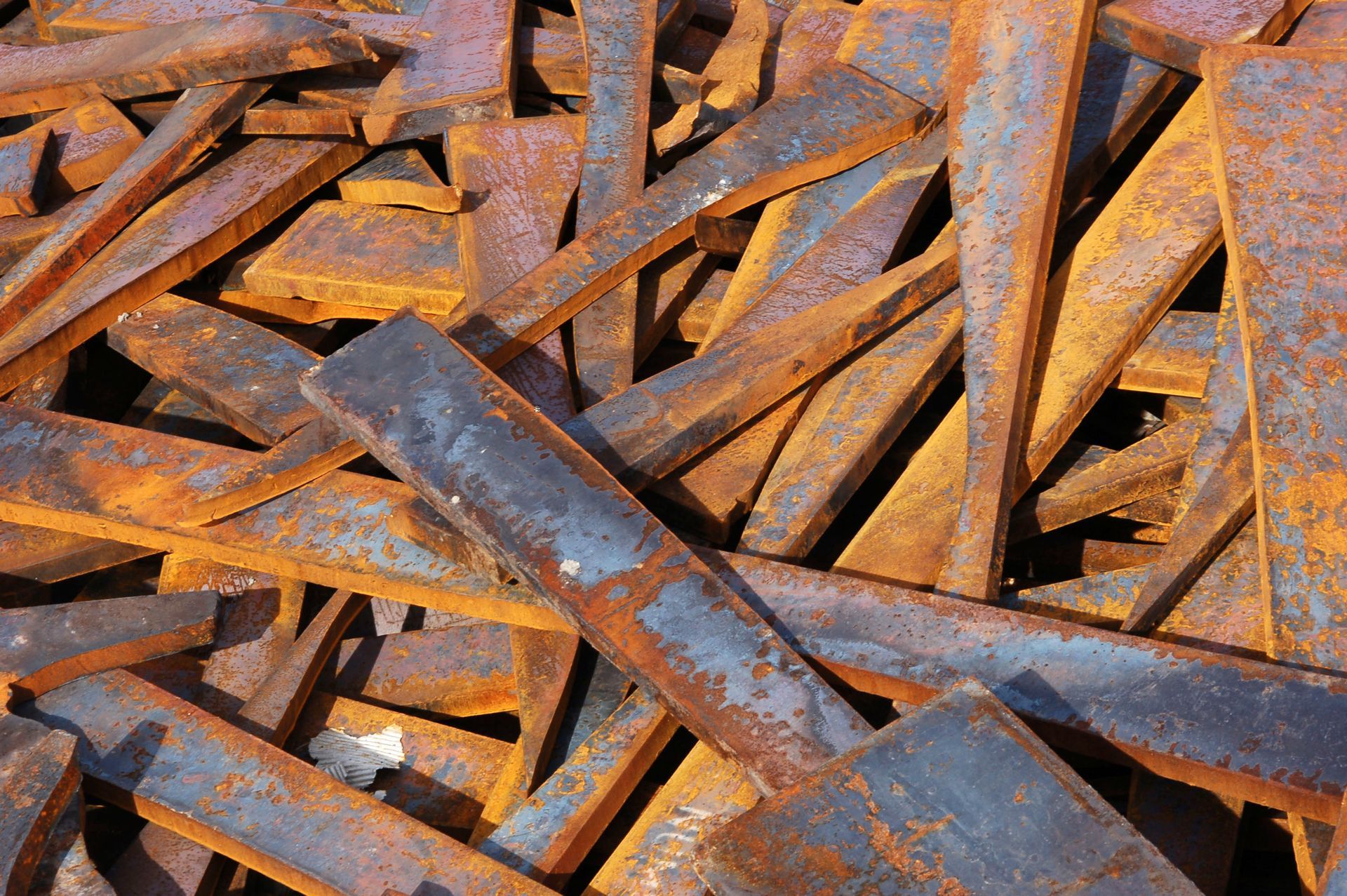
Most people are surprised by the sheer variety of items that are eligible for processing at a professional facility. Ferrous metals, which contain iron and are magnetic, include things like old appliances, structural steel beams, and cast iron piping. These are frequently found in large-scale demolition projects or during major home renovations. Their durability makes them ideal for being melted down and reused in new construction.
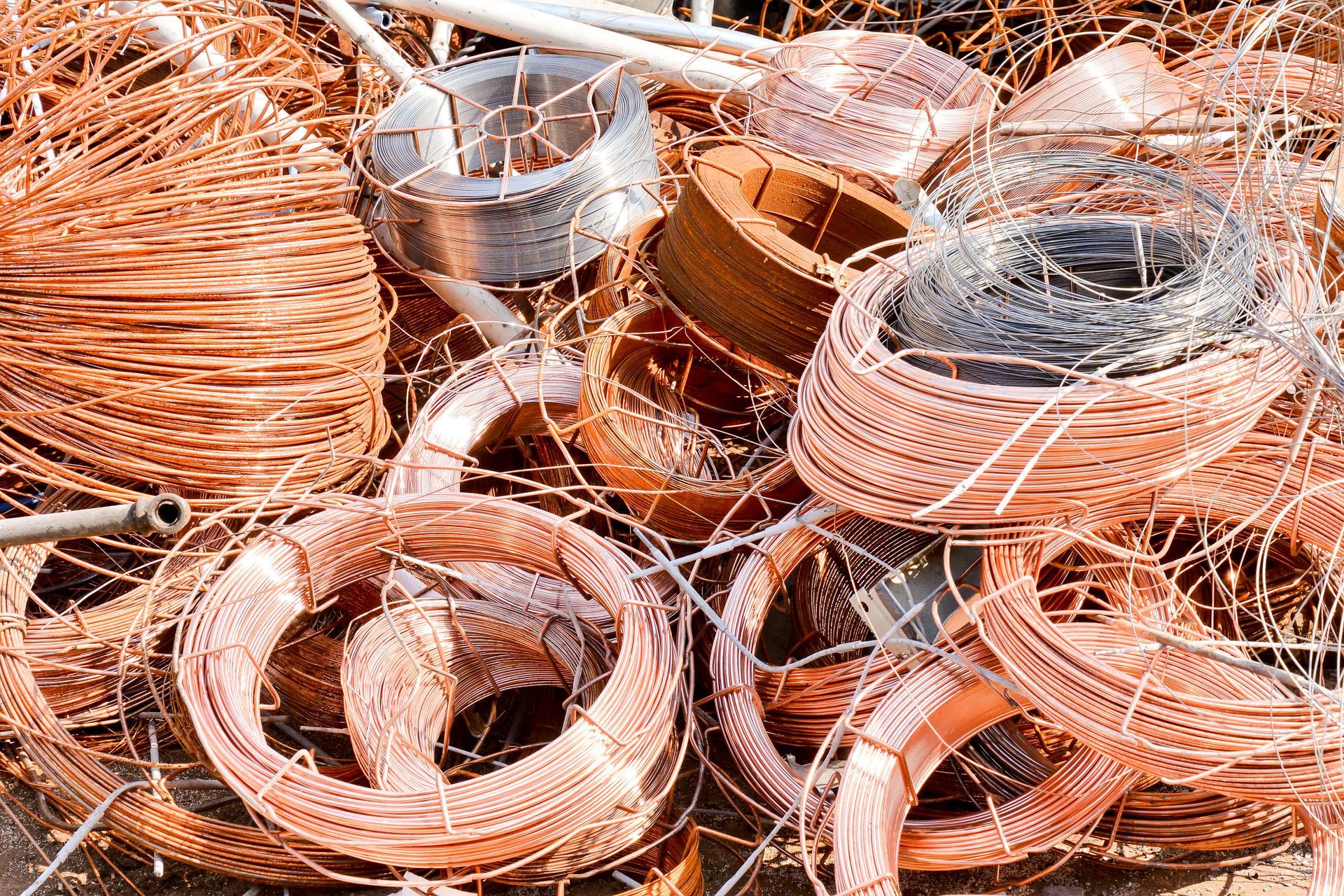
Non-ferrous metals are often even more valuable due to their resistance to corrosion and high conductivity. This category includes copper wiring, brass fixtures, aluminum siding, and stainless steel sinks. Because these materials do not lose their chemical properties during the melting process, they can be recycled an infinite number of times. The separation of these items at the source allows for a much more streamlined processing experience at the facility level. Identifying these items in your inventory is the first step toward a more sustainable waste management plan.
Specialty alloys and high-performance metals also play a significant role in the industry. Materials like titanium, tungsten, and various aerospace-grade alloys are essential for high-tech applications. Professional scrap metal recycling services have the expertise to identify these rare materials and route them to specialized refineries. This careful segregation prevents the loss of rare elements that are difficult to find in nature, supporting the growth of advanced technology.
Supporting Global Sustainability Goals
Large-scale conservation efforts rely heavily on the participation of both the public and private sectors. When an organization adopts a policy of consistent material recovery, it aligns itself with international standards for corporate responsibility. This commitment helps reduce the overall volume of waste sent to landfills, which are rapidly reaching capacity in many regions. It is a practical way to contribute to a greener planet without compromising productivity.
The reduction in mining activities helps protect biodiversity in regions that are often ecologically sensitive. Many of the world’s richest mineral deposits are located in rainforests or mountainous areas. By maximizing scrap metal recycling, we decrease the pressure to expand mining operations into these pristine environments. Preserving these habitats allows for the continued survival of various flora and fauna that are often threatened by industrial expansion. This helps maintain the balance of nature while still providing the materials needed for human progress and infrastructure development.
The choice to recycle is a choice to value the future over short-term convenience. It represents an understanding that the earth’s resources are finite and must be managed with care. By integrating these practices into daily operations, society moves closer to a truly circular economy. This philosophy fosters a culture of mindfulness where every piece of discarded material is seen as a potential resource rather than a burden on the environment.
The decision to process your discarded materials through professional channels is an investment in the environment and the economy. By choosing to prioritize resource recovery, you help reduce pollution and support industrial stability. Embracing these practices is a responsible way to manage waste and contribute to a sustainable future. Contact Winston Brothers Iron & Metal Company Inc today to find out how professional services can streamline your surplus material management.
Share On: